
A welcome from the editors of Echoes of America Journal
Imagine the first light of morning falling across a small American town more than a century ago. A shopkeeper lifts the latch on his front door. A farm wife begins the day’s work before the household is fully awake. A team of horses waits beside a wagon, stamping at the cold. Farther off, a train whistle carries over the fields—or, in a river town, a steamboat answers the dawn with a long blast from its whistle.
These are scenes reconstructed from the ordinary rhythms of earlier American life, not the account of one particular morning. Yet the work behind them was real. People rose early, watched the weather, tended animals, opened stores, mended clothes, carried news, worried about money, celebrated weddings, mourned loved ones, and hoped their children might have a better life. History was not something they knew they were making. It was the life they were living.
That is where we want to begin—not at a distant lectern, with a list of dates, but close to the ground, among the people who gave places their character. Welcome to Echoes of America Journal, a journey through the landscapes, communities, and human stories that have shaped the United States.
A Country Seen from the Road
For much of America’s past, distance was measured not in minutes but in effort. A journey that now takes an afternoon could once require days of muddy roads, a ferry crossing, a wagon team, or passage aboard a riverboat. Weather could change a traveler’s plans. A swollen stream could stop a wagon. A river landing might bring together farmers, merchants, boatmen, teamsters, and families arriving in search of a new beginning.
Waterways such as the Mississippi were working highways. Steamboats carried passengers, mail, livestock, produce, and manufactured goods between settlements. Their landings were places of business and conversation, but also of uncertainty: a shipment might be late, a traveler might not arrive, and a family might wait anxiously for news from someone upriver. The river connected communities while reminding everyone that nature set its own terms.
Beyond the river towns, the countryside had its own calendar. Planting, haymaking, harvest, and winter preparation shaped the year. A farm was not a postcard scene; it was a demanding workplace. Work began early, daylight mattered, and illness or a poor season could put a household under pressure. The same land that offered opportunity could exact a heavy price.
The Lives Behind the Familiar Places
Consider the general store, a familiar feature of many towns and crossroads. It might sell flour, coffee, cloth, tools, lamp oil, nails, and the small necessities that kept a household going. It was also a place to exchange news. A letter might be waiting there; a traveler might bring word from the next county; a newspaper might be passed from one pair of hands to another. The store counter could serve as an informal meeting place long before anyone called it a community center.
But no single picture tells the whole story of an American town. Indigenous nations had lived on and cared for these lands long before many towns appeared on settlers’ maps. Expansion brought opportunity to some and dispossession and violence to others. Enslaved people were forced to labor and build wealth for others; after emancipation, Black Americans continued to face discriminatory laws and customs even as they built families, businesses, churches, schools, and institutions of their own. Immigrants and migrants brought languages, skills, faiths, foodways, and hopes that changed the places where they settled. A truthful story must make room for these different experiences.
We will look for the people who left traces behind: names in local newspapers, faces in old photographs, handwriting in letters, advertisements for long-vanished businesses, and recollections preserved by families and historical societies. Where the record gives us a person’s name and story, we will tell it. Where evidence is missing, we will say so rather than fill the silence with invented facts.
A Real Life on the River: Samuel Clemens Learns the Mississippi
One of the people who helps us enter this world is Samuel Langhorne Clemens, better known as Mark Twain. He grew up in Hannibal, Missouri, where the Mississippi was part of the landscape of childhood. As a young man, he pursued a dream that many river-town boys understood: to become a steamboat pilot. In 1857, at twenty-one, he began learning the trade under experienced pilot Horace Bixby. The apprenticeship demanded close attention to the river’s shifting channels, sandbars, currents, and landmarks. A pilot needed more than courage; he needed a memory trained by constant observation.
Clemens later turned those experiences into writing. The name “Mark Twain” came from a river sounding call associated with water depth, a reminder that language, work, and danger were woven together on the river. His life shows how a place could shape a person’s imagination—and how the stories of working people could become part of the nation’s literature. The river was not merely a beautiful view to him. It was a workplace that demanded skill and could punish a mistake.
His story also points toward the many people whose names we may never know: the deckhands handling cargo, the cooks and cabin workers serving passengers, the enslaved people whose forced labor supported the plantation economy along parts of the river, the free Black workers and stevedores who loaded goods, and the families whose livelihoods depended on river traffic. A steamboat’s polished decks and grand saloon were only one part of the picture. The whole story includes the people doing the hard work below and beside them.
Read more from the historical record: The National Endowment for the Humanities explains Clemens’s years as a river pilot and how that experience informed his writing. The National Mississippi River Museum and Aquarium also documents his connection to the river and to pilot Isaiah Sellers.
National Endowment for the Humanities — Documenting Mark Twain · National Mississippi River Museum and Aquarium — Mark Twain
Old Photographs Are More Than Decorations
A photograph of a street can reveal a world of details: the lettering on a shop window, the muddy or unpaved road, the clothes people wore, the hitching rail at the curb, or the wires running above the buildings. A map shows what connected a place—and sometimes what lay beyond the edge of the map. An advertisement tells us what people could buy and how merchants tried to persuade them. A newspaper report can preserve the names of people whose lives would otherwise be nearly forgotten.
We will bring these records into our stories whenever we can, alongside historic paintings, maps, and original journal illustrations. Captions will identify what an image shows and where it comes from. When a photograph documents a different place or period than the story itself, we will say so. The aim is not simply to make a page look old; it is to let authentic evidence deepen the reader’s experience.

A Magazine to Explore Slowly
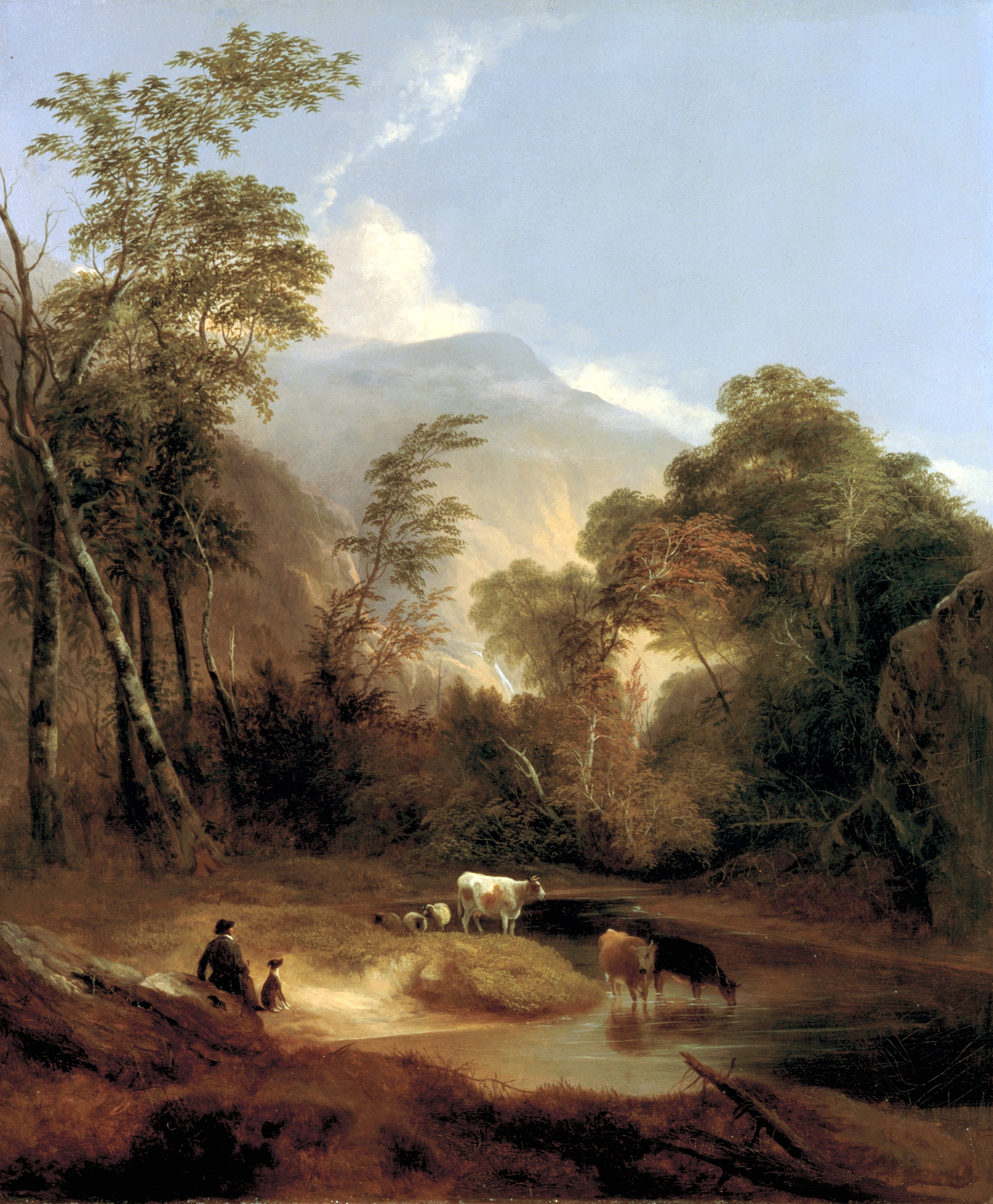
We hope you will linger here. Follow a river into the age of steamboats. Walk along a small-town street before automobiles transformed it. Visit the prairie through the eyes of the people who farmed it—and remember the people who lived there long before the plow. Cross the West by trail and railroad. Look at a landscape painting and ask what the artist chose to preserve, and what the picture leaves outside its frame.
Where useful, we will include historical films and documentary videos so readers can hear the voices, see the places, and explore the evidence for themselves. Some articles will draw on newspaper accounts and personal recollections; others will follow a particular person, community, journey, invention, or turning point. Each will be shaped as a story, with the sources supporting the telling.
Come Along
There is a quiet kind of wonder in discovering that a place we pass without thinking has witnessed generations of work, love, ambition, loss, and change. The old road may be paved now. The landing may be silent. The store may have become something else. But the lives that unfolded there are part of the American story, and they are worth remembering.
Thank you for joining us. We invite you to turn the page, look closely at the pictures, follow the sources, and travel with us into the lives of people who came before. There are countless stories waiting in America’s rivers, roads, towns, farms, and family memories.
Welcome to Echoes of America Journal—where the past is not just recorded, but brought closer to life.
From the Historical Record
Explore historic photographs: The Library of Congress offers collections of historic images, including streets, farms, work, homes, and everyday life. Individual item records should be checked for dates, captions, and rights information before images are reused.
Library of Congress — Free to Use and Reuse collections · Library of Congress — Main Streets · National Archives — The Way We Worked
Coming Up Next
Our next regular feature follows the Mississippi River, America’s great highway before the railroad. We’ll step onto the busy waterfront, meet the people who worked the boats and landings, and explore how the river carried trade, news, opportunity, and danger through the heart of the country.
Join us Wednesday for “The Mississippi River: America’s Great Highway Before the Railroad.”
Leave a Reply