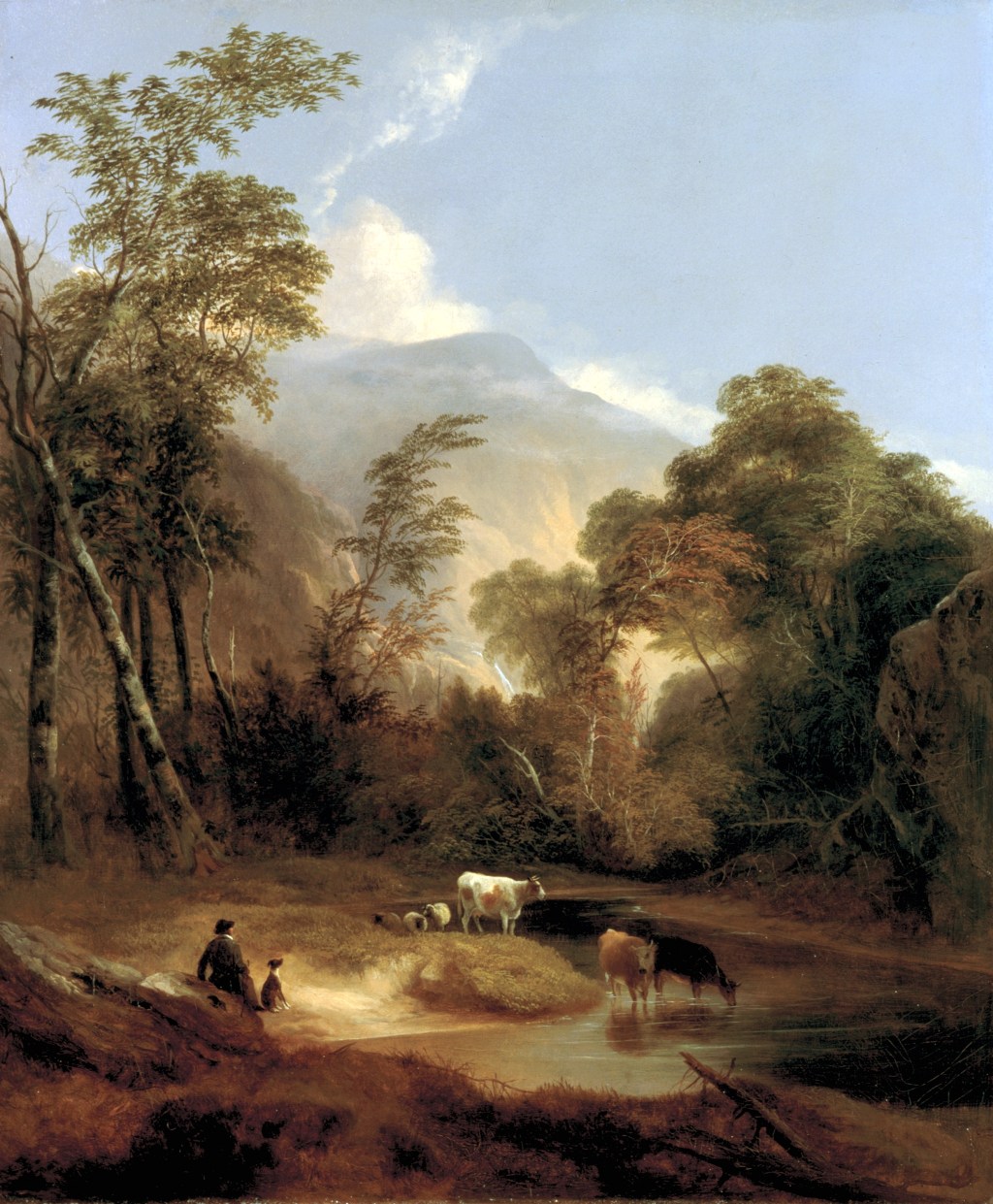
How fields, forests, rivers, and growing settlements shaped the American experience.
In the nineteenth century, the American countryside was a world of remarkable variety. Rolling farmland stretched across the East, forests covered vast areas of the interior, and rivers wound through valleys toward growing towns. For millions of Americans, the land was more than a beautiful view. It provided food, work, transportation, and the promise of a new beginning.
A Land of Farms and Small Communities
For much of the 1800s, farming remained central to American life. Families worked fields, tended livestock, gathered wood, and depended on the changing seasons. A successful harvest could mean security for the coming winter, while drought, floods, or severe storms could threaten a household’s livelihood.
Farmsteads often stood near springs, creeks, wooded hills, and roads connecting neighbors to nearby villages. Churches, mills, schools, and general stores became familiar landmarks in the surrounding countryside.
Artists Discover the Beauty of the Land
American artists increasingly turned their attention to the country’s scenery. Painters portrayed peaceful meadows, distant mountains, grazing animals, winding waterways, and sunlight passing through clouds.
These pastoral scenes offered viewers an image of order, abundance, and natural beauty. Yet the countryside was never simply untouched wilderness. Farms expanded, forests were cleared, roads were built, and communities grew. The landscapes people admired were also landscapes being changed by human activity.
Rivers, Roads, and Westward Movement
Rivers helped connect rural communities with markets and larger cities. Before railroads reached many areas, waterways carried crops, timber, passengers, and manufactured goods. Roads and, later, rail lines opened additional routes through the countryside.
As settlers moved westward during the century, they encountered prairies, forests, mountains, and unfamiliar environments. This expansion brought new opportunities for some while dispossessing Indigenous peoples and transforming the lands they had inhabited for generations. A full picture of America’s countryside must include both its beauty and the difficult history of its settlement.
A Changing Landscape
By the late 1800s, industrial growth and expanding transportation networks were changing the relationship between Americans and the land. Towns grew, farms became connected to distant markets, and railroads crossed regions that had once been reached mainly by wagon or riverboat.
Still, many familiar features remained: a tree-lined lane, a farmhouse on a hill, a river bend, or a field ready for harvest. These scenes linked everyday life with the natural world.
Looking Back
The American countryside of the 1800s was neither frozen in time nor untouched by change. It was a living landscape shaped by work, migration, nature, art, and competing ideas about land and opportunity.
Historic paintings and photographs help us glimpse these places as earlier generations saw them. They invite us to look more closely at the fields, waterways, and small communities that formed an essential part of America’s story.
Explore more stories in the Landscapes section of Echoes of America Journal.


Leave a Reply